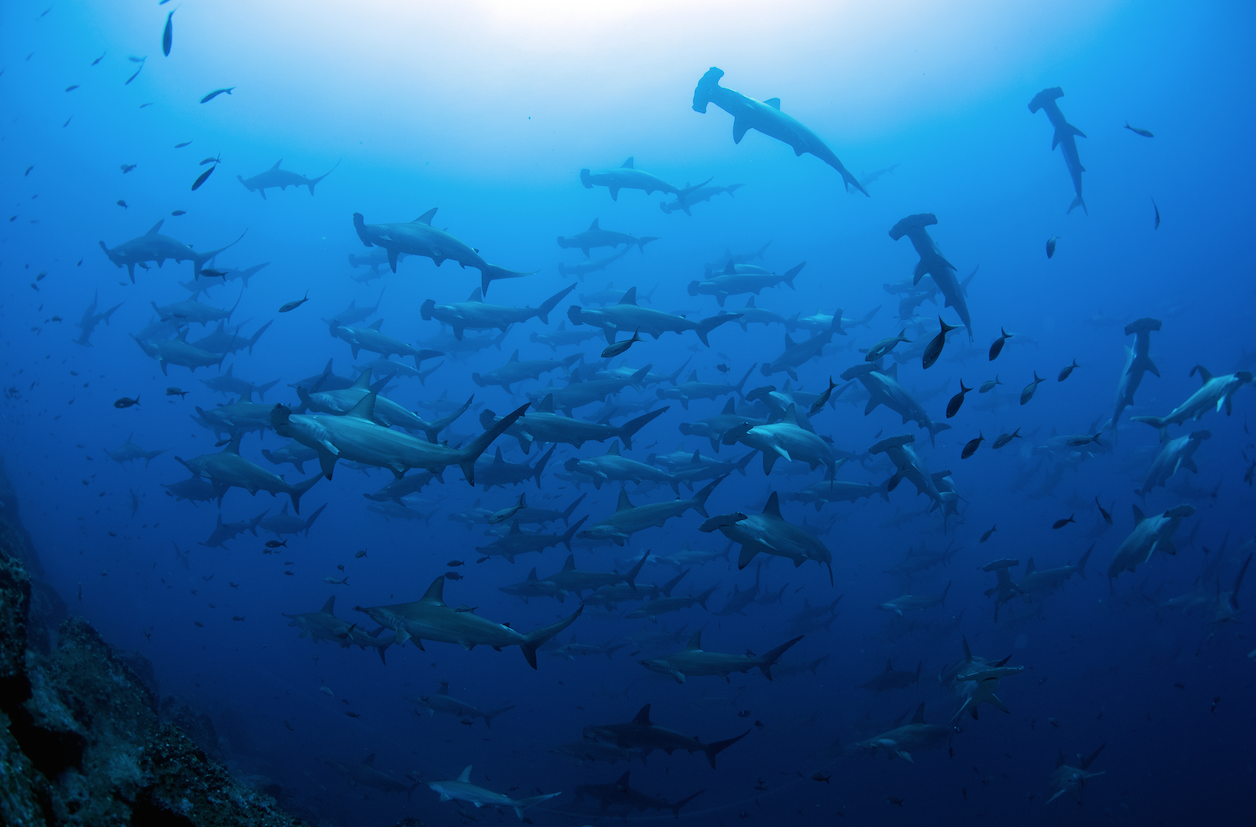
A Parallelogram of Crisis and Connection: Oceans, Climate, AI, and Human Nature

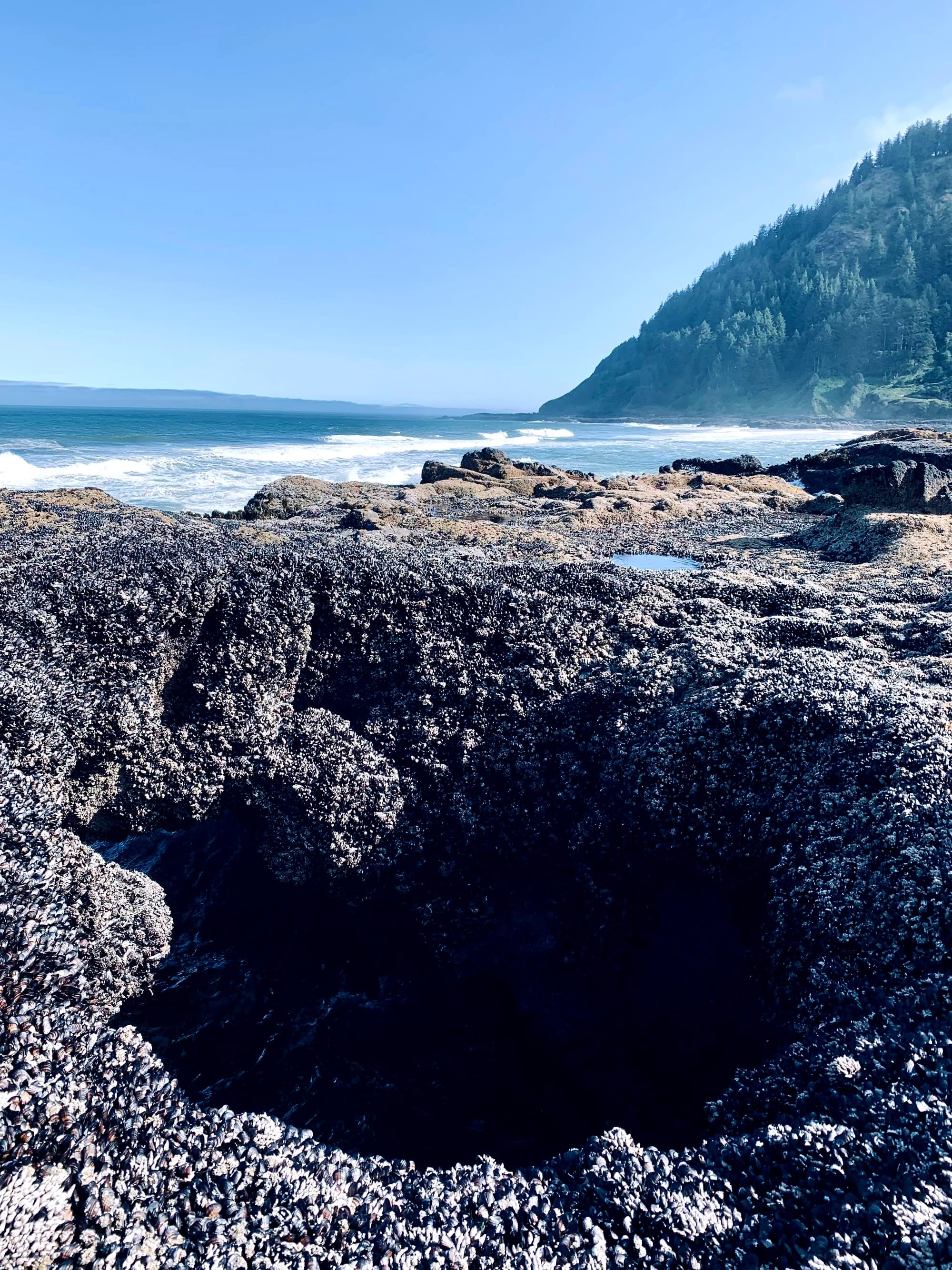
We are living through a convergence of crises and revelations that at first glance seem unrelated: the plundering of our oceans by hidden fleets, the undermining of climate science institutions, the rapid rise of artificial intelligence, and reminders of our fundamental human nature. It feels as if these threads are weaving into a single narrative – one that is both alarming and profound.
Is this convergence mere coincidence, or part of a larger pattern set in motion long ago? Here, we will connect the dots, reflecting on these issues with scientific grounding (and a touch of myth and metaphor) to illuminate the bigger picture. Ultimately, understanding these connections is not an academic exercise – it’s essential if we hope to respond ethically and effectively to what’s at stake.
I’ll use one mythic image as a compass: the wolf — not as villain, but as a teacher of relationship, limits, and consequence. The wolf appears here symbolically, not as a stand-in for living wolves, whose lives are ecological, not allegorical.
What links these domains is not collapse itself, but a quieter process already underway: the systematic unbinding of power from consequence.
Dark Fleets: Exploiting the Ocean’s Last Reserves
One thread in this unfolding narrative is happening far out at sea, in the ocean’s “dark zones.” Investigative reports have unveiled an “invisible armada” of industrial fishing vessels, overwhelmingly Chinese, operating with impunity in remote waters. These ships intentionally disable their AIS tracking systems to “go dark,” vanishing from global monitoring while they pillage marine life in violation of international agreements.
Satellite data reveals fleets clustering along the borders of protected marine reserves (such as the Galápagos Islands), ready to dart in and poach from these sanctuaries whenever patrols lapse. In effect, they hover at the edges of marine parks designed as safe havens for ocean life, exploiting any opportunity to net the “overspill” of fish that wander beyond the protected zone.
Satellite data from Global Fishing Watch shows clusters of Chinese fishing vessels (white dots) hugging the boundary of Ecuador’s Galápagos Marine Reserve, poised to catch sharks and other marine life as they exit the protected waters.

Such imagery underscores how these distant-water fleets target even the last refuges of ocean biodiversity.
The scale of this exploitation is staggering. China’s fishing fleet is by far the world’s largest, with estimates ranging from 200,000 to 800,000 vessels – accounting for nearly half of all fishing activity on Earth. By comparison, the next largest distant-water fleet (the United States') has fewer than 300 ships (e360.yale.edu). Many Chinese vessels are huge factory ships, so efficient that a single ship can catch in a week what local fishermen might catch in a year. With coastal waters near China depleted, this armada roams further afield – from West Africa to Latin America – often targeting nations that lack the resources to fully police their waters (e360.yale.edu). These fleets have even been documented violating sovereign waters and marine sanctuaries: for example, off Ecuador, one seized vessel was found carrying 6,620 illegally caught sharks, including endangered species, taken near the Galápagos reserve. Ecuador’s then-president Lenín Moreno called the Galápagos sanctuary “a seedbed of life for the entire planet,” vowing to defend it – yet the onslaught of industrial poaching shows how precarious such protected areas truly are.
A key tactic enabling this plunder is the use of “motherships” – massive refrigerated factory vessels that serve as floating bases. Smaller trawlers offload their catch to these motherships and resupply, meaning the fleet can stay at sea indefinitely without returning to port. This not only maximizes fishing time but also makes it easy to underreport catches and disguise their origin (marinemegafauna.org). In essence, the motherships mother the fleet – a dark inversion of nurturing – by allowing continuous exploitation of marine life beyond the reach of regulators. The result is a Wild West on the high seas, where oversight is minimal and profit is extracted until ecosystems collapse.
The ethical cost goes beyond wildlife. Investigations highlight a humanitarian crisis aboard these distant-water fishing vessels. Many crew members (often from poorer nations) endure brutal, slavelike conditions, trapped at sea for months or years, facing abuse, malnutrition, and even violence. Communications are frequently cut off, so their SOS calls rarely reach the world (ibtimes.co.uk). In interviews, deckhands have spoken of horrific treatment, and human rights groups document modern slavery on the high seas. This means that cheap tuna or squid arriving on our dinner plates may be tainted not only by ecological harm but by human suffering. Experts explain that up to 76% of global fishing activity is effectively unmonitored, slipping quietly into supply chains via transshipment and re-labeling. Consumers in Europe, Asia, and the Americas often have no idea that the seafood they purchase was illegally caught or that its harvesting broke both environmental and moral laws (ibtimes.co.uk).
In sum, the ocean narrative is one of rapacious exploitation of what should be common heritage. A single nation’s fleet (with heavy state subsidies fueling its reach) now dominates the global oceans and undermines international conservation efforts (e360.yale.edu; marinemegafauna.org). It’s as if a long-foretold tragedy is unfolding underwater: having emptied its own seas, this industrial juggernaut quietly mows down life in the last bastions of marine biodiversity. The fragile hope vested in marine protected areas is being eroded by a combination of stealth and scale. This reality is shocking – yet I only truly felt its weight when I saw it in context. Had I not learned about the crucial role of ocean reserves beforehand, I might have missed the full outrage of fleets penetrating those blue sanctuaries. Knowledge is key to connecting these dots, and that brings us to the next thread: the state of our scientific knowledge itself.
Climate Models Under Attack: Dismantling the “Mothership” of Science
Even as the oceans are being overfished in the dark, another alarming development is happening in broad daylight: the undermining of climate science at the very institutional level. The timing is uncanny – just as climate change makes our future increasingly perilous, the tools and networks we rely on to understand that future are under siege.
Central to this is the National Center for Atmospheric Research (NCAR) in the United States, a world-renowned hub for climate and weather research. NCAR has been described by climate scientist Katharine Hayhoe as “quite literally our global mothership” for understanding the planet. Generations of climate modelers, atmospheric scientists, and meteorologists across the world have trained or collaborated at NCAR, benefiting from its supercomputers, data archives, and the community climate models developed there. In fact, NCAR hosts the largest community-driven climate model in the world, which thousands of researchers use to project future climate scenarios (linkedin.com). In short, NCAR is a keystone of climate science — the place where our collective knowledge of Earth’s atmosphere converges.
Shockingly, this keystone is now threatened with a hammer. There are moves afoot to dismantle or defund NCAR, effectively gutting its ability to function. Hayhoe warns that “dismantling NCAR is like taking a sledgehammer to the keystone holding up our scientific understanding of the planet”. Those are strong words, but not hyperbole — without NCAR, much of the scaffolding of climate modeling and weather prediction could collapse. The repercussions would be global: our capacity to forecast hurricanes, understand monsoons, or project sea-level rise hinges on the research and modeling coordinated through that institution.
What is driving this assault on climate science? The details point to political and ideological forces seeking to suppress inconvenient truths. Hayhoe notes that this attack on NCAR is not isolated but part of a pattern: "that understanding was already under strain", she writes, pointing to a freeze on funding for the national network of Climate Adaptation Science Centers, the discontinuation of key NASA satellite data records, the removal of EPA climate indicators, and “a thousand other actions — large and small — all aimed at suppressing our ability to study how humans are affecting our shared home” (linkedin.com). In late 2025, for instance, the U.S. government halted funding for the Interior Department’s Climate Adaptation Science Centers, meaning these research hubs might shut down just when communities most need guidance on coping with extreme weather. Critical Earth-observing satellite missions have been curtailed, blinding us to trends in everything from Arctic ice to ocean temperatures. Even basic climate indicators were stripped from public websites, an echo of past censorship. It is as if, facing a gathering storm, someone is smashing the weather instruments and burning the maps.
For scientists, this is terrifying. Climate models are our time machines and early warning systems – they allow us to peer into possible futures, to understand risks and thereby plan or adapt. Undermining the development of these models (or the observational data that fuel them) is an ethical travesty. It delays and weakens humanity’s response to climate change, putting lives and ecosystems in peril. Imagine trying to navigate a pandemic after dismantling public health surveillance, or steering a ship with the radar turned off – that is analogous to gutting climate science in the era of global warming. The worst part is the sense that this, too, was set in motion by long-running agendas: groups who have spent decades sowing doubt about climate science, now empowered to literally pull funding plugs and dismantle institutions. Once again, a feeling of inexorability – that we’re watching a predetermined tragedy – comes to mind. But as with the oceans, awareness can be a catalyst for action. The scientific community is raising the alarm loudly, in hopes that public pressure can avert the most damaging cuts. If NCAR is the mothership of climate knowledge, then rallying to save it is nothing less than defending the source of insight we need to secure our future.
AI Interfaces and the Fate of Human Connection
While the environment and science reel from exploitation and sabotage, another strand of our parallelogram of events centers on technology and the human future. In contrast to the regression in climate action, the tech world is charging forward at breakneck speed. Artificial Intelligence, in particular, is evolving daily and being woven into the fabric of our lives. Visionaries (and techno-optimists) are painting a radical picture of how AI will transform human experience – raising profound questions about how this aligns with our nature.
No one encapsulates this bold futurism better than Elon Musk. Musk recently made a provocative prediction: “In five or six years, we won’t have phones in the traditional sense” (linkedin.com). According to him, the era of the smartphone will end as devices become merely portals – “AI edge nodes” – seamlessly interfacing us with powerful artificial intelligences (eu.36kr.com). No apps, no screens, no separate operating systems; our tools will likely be wearables or implants that serve as always-present AI assistants (eu.36kr.com; eu.36kr.com). In other interviews, Musk has hinted at technology like Neuralink (brain-machine interfaces) which could eventually blur the line between human minds and computers. He even suggested in a July 2025 social media post that solving big global problems “hunger, disease and poverty” will be achieved through AI and robotics (thenews.com.pk). Whether one agrees or not, this worldview envisions a near future where human life is deeply integrated with intelligent machines, potentially more so than with the natural world around us.
This vision is both exciting and unsettling. It promises convenience, perhaps even enhanced cognitive abilities or longevity. But it also hints at a further distancing of humans from the organic, the tangible, the communal. If our primary interactions become mediated by AI, what happens to the direct interpersonal connections and the instincts we’ve honed over millennia? Here is where another, seemingly unrelated, theme comes into play: reminders that we are still mammals – creatures with mothers, families, and primal social needs. A number of commentators and scientists have been emphasizing that, despite our fancy gadgets, “our brains and bodies are wired for empathy, cooperation, generosity, and connection.” Evolution shaped us to thrive in tribes and kinship networks; we are born utterly dependent on caregiver love, and we carry that need for connection throughout our lives. Psychologists note that human infants, like other mammal babies, are calmed by touch and attunement; our stress responses are regulated by the presence of loved ones. Neuroscientists have even identified brain circuits dedicated to empathic care – when we see someone hurt, we instinctively wince and feel motivated to help, because our brains reward us for compassion (greatergood.berkeley.edu). In short, human nature is profoundly social and rooted in physical reality. We are not brains in vats or disembodied intellects; we are flesh-and-blood beings with emotions and innate drives to bond with each other and with the living world.
This juxtaposition – AI’s rise versus our mammalian wiring – raises ethical and existential questions. As we rush to integrate AI into every aspect of life, are we accounting for these fundamental human needs? Technology often promises to connect us, but as we’ve seen with social media, it can also isolate and polarize us. If the next step is to effectively merge with AI (be it through ubiquitous virtual assistants or even brain implants), we must ask: Will this amplify our humanity, or diminish it? For example, if an AI can answer all your questions and predict your needs, do you spend less effort engaging with other people or the natural world? Some technologists argue that freeing humans from menial tasks will enable us to focus on “higher” pursuits or more genuine connections. Yet that assumes we intentionally fill the space with meaningful human interaction. It’s just as possible that we become even more immersed in digital echo chambers, losing the in-person community ties that have anchored human society.
It’s telling that amid all these high-tech prophecies, there’s a counterpoint conversation stressing our identity as caretakers and community members. Posts about being “mammals and mothers” serve as a reality check: they remind us that every one of us was nurtured by someone, and that nurturing is our template for society. We ignore that truth at our peril. Our ability to tackle crises – from climate change to social injustice – depends on empathy and cooperation on a global scale. In fact, psychologists at the University of California, Berkeley, argue that human biology has primed us for community problem-solving: we derive deep satisfaction from cooperating and helping others, which likely evolved because groups that pulled together survived better (greatergood.berkeley.edu; greatergood.berkeley.edu). This ingrained moral intuition is our secret weapon, something no AI can replicate or replace. It would be ironic if, in the age we most need to unite and act as one species, we instead dove into personal AI-enabled bubbles. The key will be to ensure technology serves human ends – enhancing our connectivity to each other and to reality – rather than seducing us away from what truly matters.
Marine reserves without enforcement. Science without evidence chains. Data without institutions. Interfaces without accountability.
Connecting the Threads: Knowledge, Meaning, and Ethics
A Pattern of Ethical Asymmetry
At this point, a pattern begins to emerge across these disparate stories. All these crises share a fundamental ethical question at their core: Who is allowed to act at scale without being held in relationship to consequence? This is the axis around which everything turns. Industrial fishing fleets, political administrations, abstracted technologies, disembodied economic systems—each of these can move, extract, decide, or optimize without having to stay. They do not have to breathe the air they pollute, eat the fish stocks they collapse, live in the flood zones they create, or raise children in the futures they shape. Meanwhile, living beings on the ground cannot escape those consequences. Mammals cannot do that. Ecosystems cannot do that. Children cannot do that. That is the ethical asymmetry at the heart of this parallelogram of crises.
Parallel Crises at a Crossroads
Drawing connections between Chinese fishing fleets, climate models, AI interfaces, and human empathy might once have sounded like assembling a parallelogram from mismatched sides. But now the shape is clearer. It's no coincidence that I encountered all these issues in quick succession; together they form a story of how human civilization is at a crossroads on multiple fronts. Reflecting on these connections is an exercise in epistemology (how we know what we know) and ethics (what we ought to do with that knowledge).
Epistemologically, it’s striking how our understanding builds piece by piece, often by serendipitous sequence. One documentary exposes the importance of ocean sanctuaries; another investigation reveals those sanctuaries being raided. A climate scientist’s post alerts us to political attacks on research; a tech magnate’s interview opens our eyes to a radically different future being engineered. Each piece of information on its own is alarming, but when combined, they illuminate a larger truth: we are eroding the very systems that sustain life and knowledge at the same time that we are racing toward an unknown technological future. Seeing the pattern requires connecting disparate dots – precisely what we've been attempting to do here. It speaks to the importance of interdisciplinary awareness. If we silo these issues, we might never grasp the full peril. But by learning across domains, we gain a binocular vision that adds depth and perspective. In a way, this is a call for a new Enlightenment: an integrative approach to knowledge where ecology, climate science, technology, and sociology inform each other. Only then can we craft responses that aren’t narrow fixes but address root causes.
There’s also a lesson in the power of timing and sequence in learning. I realized that, had I not watched the Ocean with David Attenborough film before seeing journalist Johnny Harris’s investigation, I might have missed the significance of marine reserves. Knowledge doesn’t just come from facts, but from context and connection. It’s a reminder of the concept of consilience – the linking together of knowledge from different disciplines to create a unified understanding. We often gain insight when one piece of information resonates with another, each amplifying the significance of the other. This is how understanding works in science, too: one study’s findings, when placed alongside another’s, can reveal a pattern or mechanism that neither alone could show. In my case, consuming information from multiple sources in quick succession created a kind of personal enlightenment moment. In a broader sense, society needs a similar enlightenment by synthesizing insights from marine biology, climate science, technology, and ethics. Only by seeing these connections can we avoid the pitfalls of treating symptoms in isolation while the underlying disease spreads.
Knowledge in Context: Ocean Sanctuaries Under Siege
The Galápagos Marine Reserve, for example, is an oasis of ocean biodiversity, home to nearly 3,000 marine species (galapagos.org). I felt the importance of marine reserves viscerally after watching Ocean (link to trailer in sources) — and then felt it collapse into rage when I saw Johnny Harris’s reporting on how industrial fleets exploit the edges of protection (link to YouTube video in sources). The juxtaposition of these insights was eye-opening. One moment I was celebrating the idea of marine reserves as “seedbeds of life for the entire planet” (in the words of Ecuador’s former president marinemegafauna.org); the next, I was seeing how those seedbeds are ringed by ships waiting to pluck any life that strays beyond the invisible lines on the map. It’s a stark illustration of that ethical asymmetry: an extraction machine operating at global scale versus a living system confined to one place.
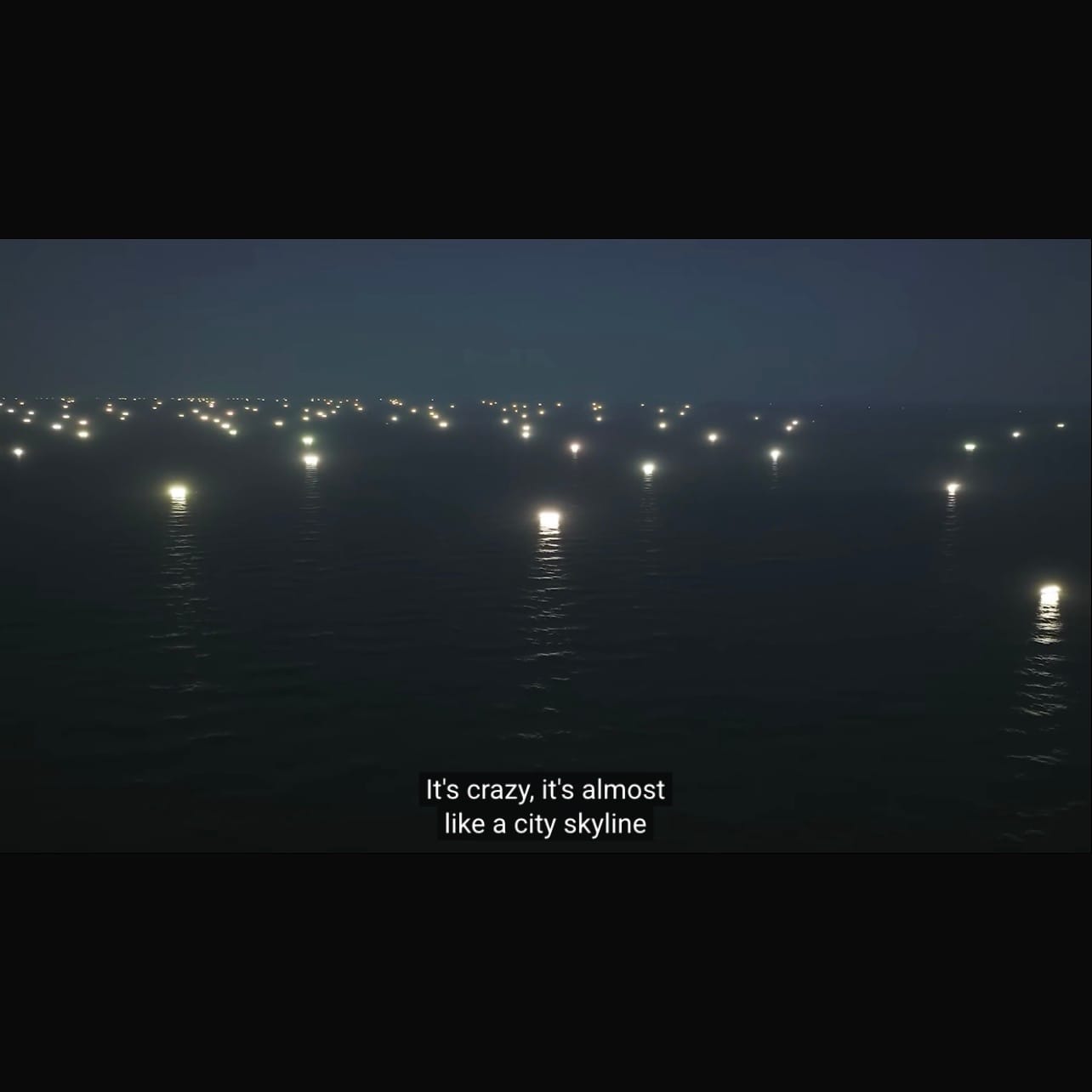
Language as Alarm: “Motherships” and Metaphors
Etymology and metaphor also play a curious role in this narrative. Consider the word “mothership.” We encountered it twice in very different contexts. In the climate realm, NCAR was described by one scientist as the “global mothership” of atmospheric science – a nurturing center that supports countless researchers worldwide. In other words, NCAR functions as a mother-ship: a vessel of knowledge that nourishes and connects a global fleet of climate researchers.
Now contrast that with the oceanic motherships: hulking factory vessels on the high seas that enable the destruction of marine life. They too support their fleet – but towards exploitative ends, allowing smaller ships to ravage fish populations continuously. In the Galápagos story, “motherships” refer to gigantic refrigerated cargo ships that sit offshore so that smaller fishing boats never have to return to port. The little ships can unload their catch continuously and keep fishing indefinitely, making it easy to underreport the catch and disguise its origins. It’s the same word, yet one mothership symbolizes the creation of knowledge and collective progress, while the other symbolizes destruction and greed.
This linguistic coincidence encapsulates a choice before us. Which “mothership” will we prioritize – the one that seeks to understand and protect our world, or the one that facilitates its exploitation? Language, in its own way, is sounding an alarm: when tools of nurturing (mothers, ships, technology) are twisted into tools of plunder, something has gone very wrong. Perhaps we should take heed of these metaphors and reclaim their original spirit. A mother cares, a ship carries and connects. A mothership of science aligns with that spirit; a mothership of pillage profoundly perverts it.
Another term I used was “parallelogram,” implying multiple parallel tracks or forces moving simultaneously. It’s an apt geometric metaphor: each side of this parallelogram of crises reinforces the others. Environmental degradation (like overfishing and climate change) can lead to social and political stresses that tempt nations into short-term, tech-driven fixes or authoritarian suppression of science. Meanwhile, devaluing science and truth makes it easier for destructive industries to operate unchecked, and rapid tech advancements without ethical mooring can accelerate resource exploitation (imagine AI optimizing fishing to be even more efficient at emptying the oceans). The lines are parallel, but they connect at the corners. Tug on one, and the shape as a whole shifts. This means our response must be holistic. We cannot solve climate change while ignoring the oceans, nor can we regulate AI in a vacuum without considering social and environmental impacts. And we certainly cannot succeed in any of these realms if we lose our humanity and empathy along the way. The crises may run in parallel, but they converge in a common ethical space.
Mythic Warnings: Wolf-as-Compass and Fenrir
Finally, let’s return to the wolf-as-compass — and to Fenrir as the metaphor for unbound force.
To be clear: this is not a story about wolves as danger. It’s about Fenrir — the mythic name for unbound force — and about what happens when power escapes consequence.
In Norse mythology, Fenrir is a giant wolf prophesied to break free and unleash chaos at the end of the world. The gods bind him out of fear, but inevitably he escapes, swallowing the sun and wreaking destruction until a new world can be reborn. When I talk about “unleashing Fenrir,” it’s both a warning and a dare. There is a sense that Fenrir is stirring today: one might see Fenrir as the monstrous convergence of unchecked climate change, ecological collapse, and unbridled technological disruption. If we continue on our current trajectory, these forces could indeed break loose in a kind of real-world Ragnarök – a collapse of the systems we rely on. The she-wolf's howl, on the other hand, evokes the image of a wolf mother calling out in alarm to her pack. It’s the sound that something is wrong, a rallying cry to pay attention and prepare. To me, these alarms – the investigative exposés and the scientists’ warnings – are like the howls of a she-wolf, alerting us to danger on the wind.
But mythology also offers a silver lining: after Ragnarök, the Norse sagas tell of the world born anew, green and fertile, with surviving humans to tend it. In our reality, if we unleash Fenrir by our inaction, the aftermath won’t be so poetic. We shouldn’t bank on an automatic renewal; we have to actively create it. Yet the metaphor reminds us that destruction and rebirth are two sides of transformation. Maybe by unleashing the full truth – however terrifying it may be – we galvanize the will to tear down the old destructive paradigms and set the stage for renewal. In other words, we must face the beast head-on. Admitting the full extent of the crisis (letting Fenrir’s existence be known) is a necessary first step to binding or redirecting it. Each alarm raised — each howling she-wolf — is doing exactly that: forcing us to confront what we’d rather ignore.
Ethics and Action: Rising to the Challenge
So, what do we do with this knowledge? Ethically, the path is clear even if arduous. We must fight on multiple fronts at once, and hold these efforts together in our minds. It’s a big ask, but no one ever said repair would be easy. In practical terms, that means we need to:
- Crack down on illegal and unsustainable exploitation of nature. Whether it’s industrial fishing fleets pillaging marine reserves or corporations burning fossil fuels with impunity, large-scale destruction must be halted. Enforcement of environmental protections and international agreements is key – no more treating the global commons as a free-for-all.
- Champion and fund science and truth. We must protect institutions like NCAR (and the NOAA, NASA, EPA, etc.) which serve as society’s eyes and ears. These are the global “motherships” of knowledge that guide us; undermining them is both short-sighted and dangerous. When political forces attack or suppress research, we have to rally in defense of open inquiry. As one climate expert noted, virtually every climate researcher worldwide has benefited from NCAR’s resources – dismantling it would strike at the very heart of our understanding. Defending science is defending our ability to know reality.
- Shape technology with human values in mind. We need to insist that AI and other innovations augment rather than replace our humanity. AI can be a powerful tool – for example, it could improve climate models, optimize energy use, or help monitor global fisheries. But it should be deployed in service of public good, not just to maximize profit or concentrate power. At the same time, we must remain alert to technology’s downsides: training and running AI models consume tremendous electricity, water, and minerals (nytimes.com), tying tech progress directly to environmental impact. We can’t ignore that feedback loop. In short, use AI consciously and sparingly, focused on solving real problems rather than creating new ones.
- Reconnect with our identity as a cooperative, caregiving species. This may be the most fundamental piece. We are not just consumers or cogs in an economic machine; we are humans capable of empathy, responsibility, and collective action. Nurturing empathy – in ourselves, our children, and yes, even in our leaders – is not a soft bonus, it’s a survival skill. We need international solidarity, because the crises we face do not respect borders. Fish migrate, CO₂ spreads, AI algorithms propagate globally. Our response must be as interconnected as the problems. That means rekindling a sense of shared fate and moral duty to each other and the planet.
In the end, these connections underscore a powerful insight: these challenges are not happening in isolation, and neither can our solutions. The uncanny timing of revelations I experienced feels almost like a wake-up call. It’s as if the universe (or the collective sum of human knowledge) is arranging the pieces before us and saying, “Look, all of this is part of the same story – our story. Do something.” By reflecting on this parallelogram of crisis and connection in a scientific yet deeply human way, we arm ourselves with understanding. And understanding kindles hope. It means we are not merely watching fate play out; we are recognizing patterns, which is the first step to changing them. The compass is set. The pattern is named. Fenrir’s chains are rattling. The next move is ours: either let things slide into the abyss — or rise to the occasion, informed by knowledge and guided by the better angels (or wolves) of our nature.

Method note:
English is not my first language. I write in English because it allows this work to reach across borders and disciplines, and because many of the scientific and policy conversations I engage in take place in English. I sometimes use AI tools to support structure and phrasing — particularly when working across languages — but the thinking, synthesis, and ethical positions are my own.
All photographs on this site are my own and unaltered unless explicitly stated.
Sources:
 Ian Urbina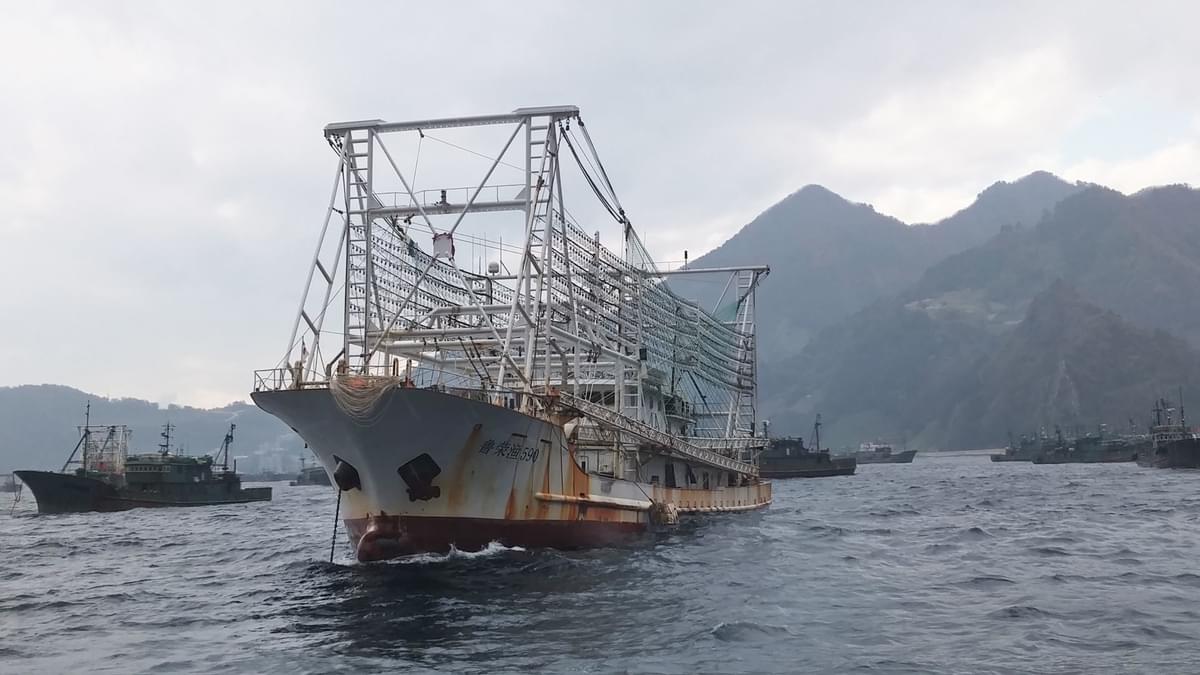
 Madeleine Pierce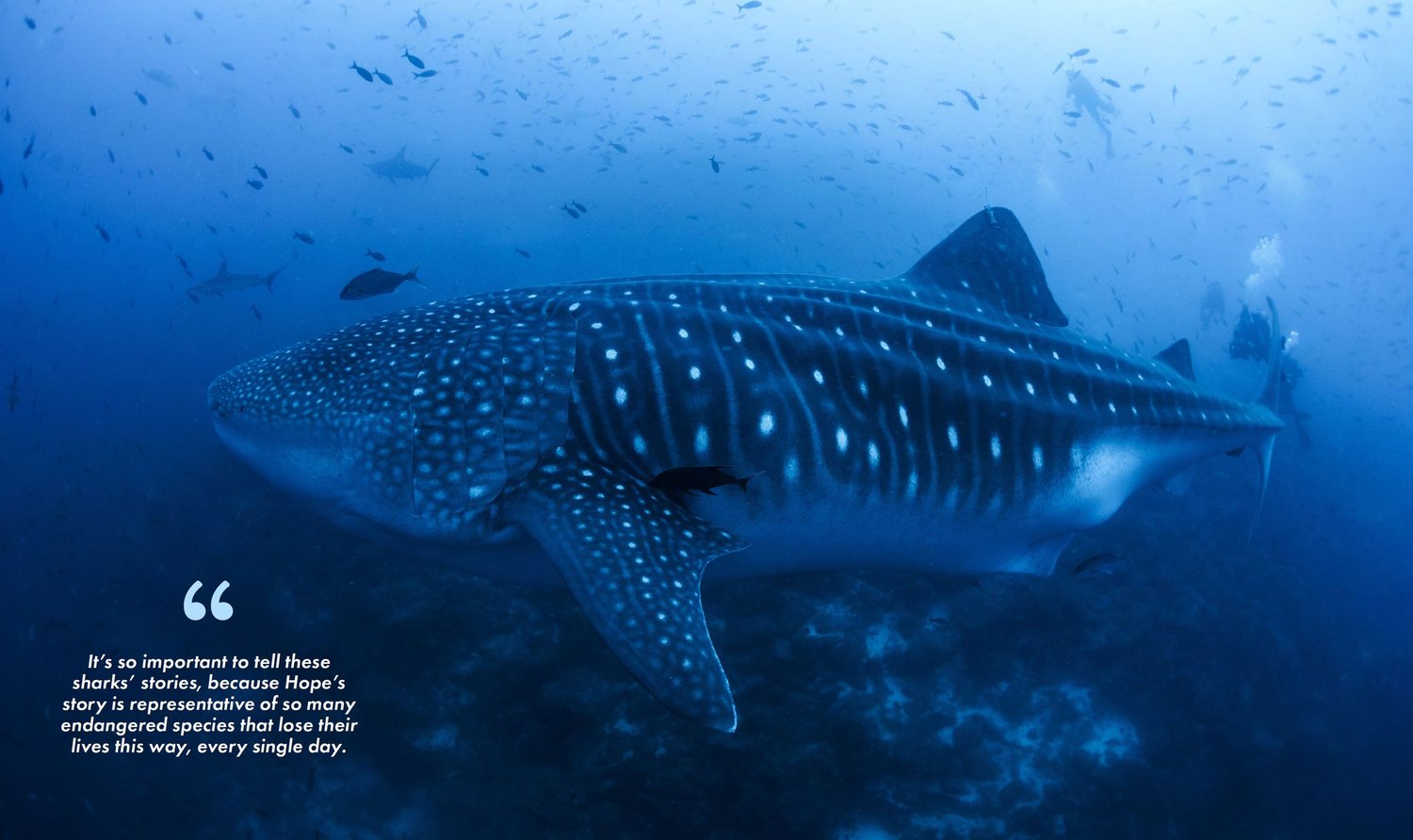
 Luis Vincent Gochoco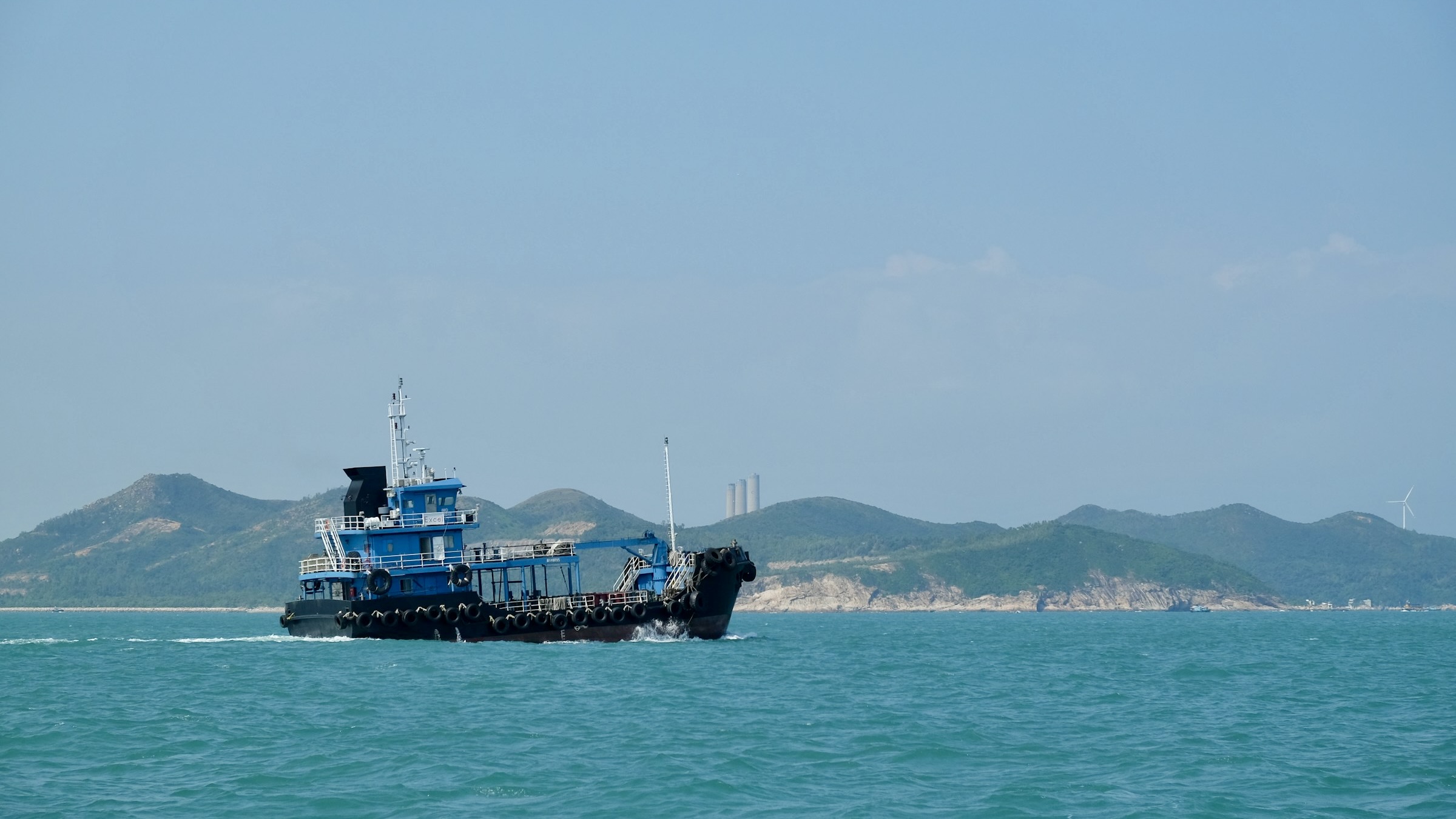
 Katharine Hayhoe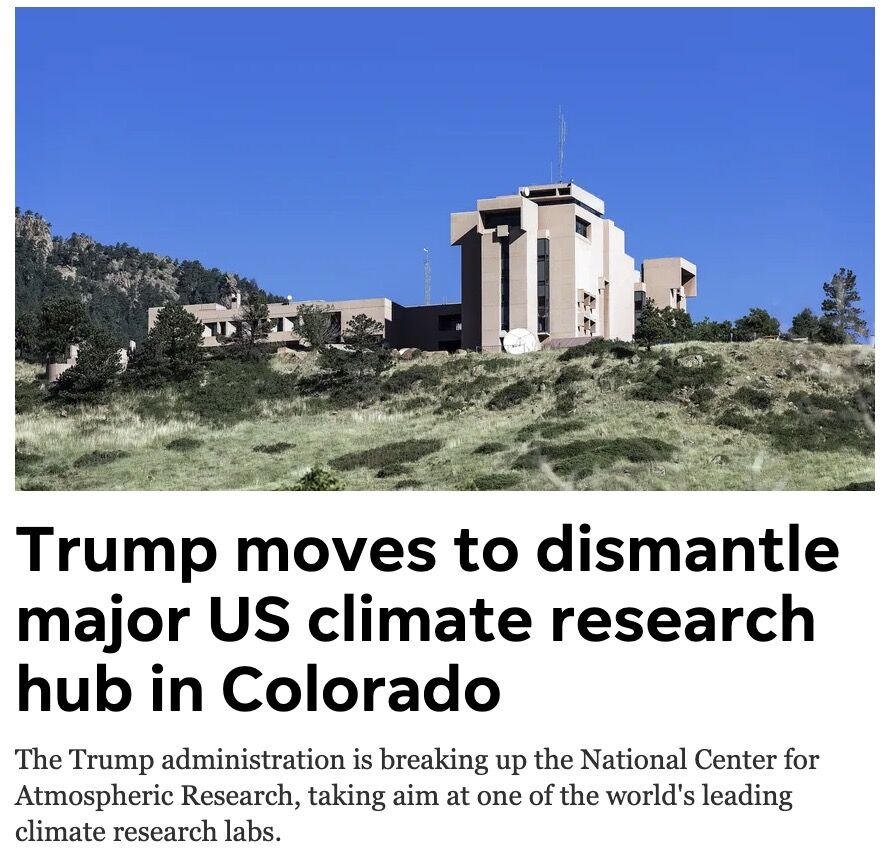
 Linas Beliūnas


The path to solving hunger, disease and poverty is AI and robotics
— Elon Musk (@elonmusk) July 30, 2025
 Summer Allen