How Weather Becomes Memory
For a university assignment, I spoke with people from different regions and generations about their perceptions of extreme weather events. These were the guiding questions — and I invite you to reflect on your own experiences for a little climate-literacy exercise:
- What do you remember about past extreme weather events or changing weather patterns that have affected your community?
- Which societal groups are most affected by changing weather, and why?
- What social protections are available (or missing) for these groups?
- Which local places, buildings or infrastructure are most at risk?
- What (other) challenges from climate change lie ahead?
- Who can help us get better prepared?
(And yes, the deeper purpose behind questions like these is simple: people remember weather because weather is lived directly, while climate is a pattern over decades. Exercises like this help us connect personal memory with the larger climate context, and help us understand each other’s different lived realities, vulnerabilities, and anxieties across geographies.)
I interviewed a family member from the Mountain West (Eastern Oregon and Boise, Idaho), my parents in the Bergisches Land (NRW, Germany), and an 87-year-old resident of my village here in Western Germany. Their memories show how differently climate-related changes appear depending on geography.
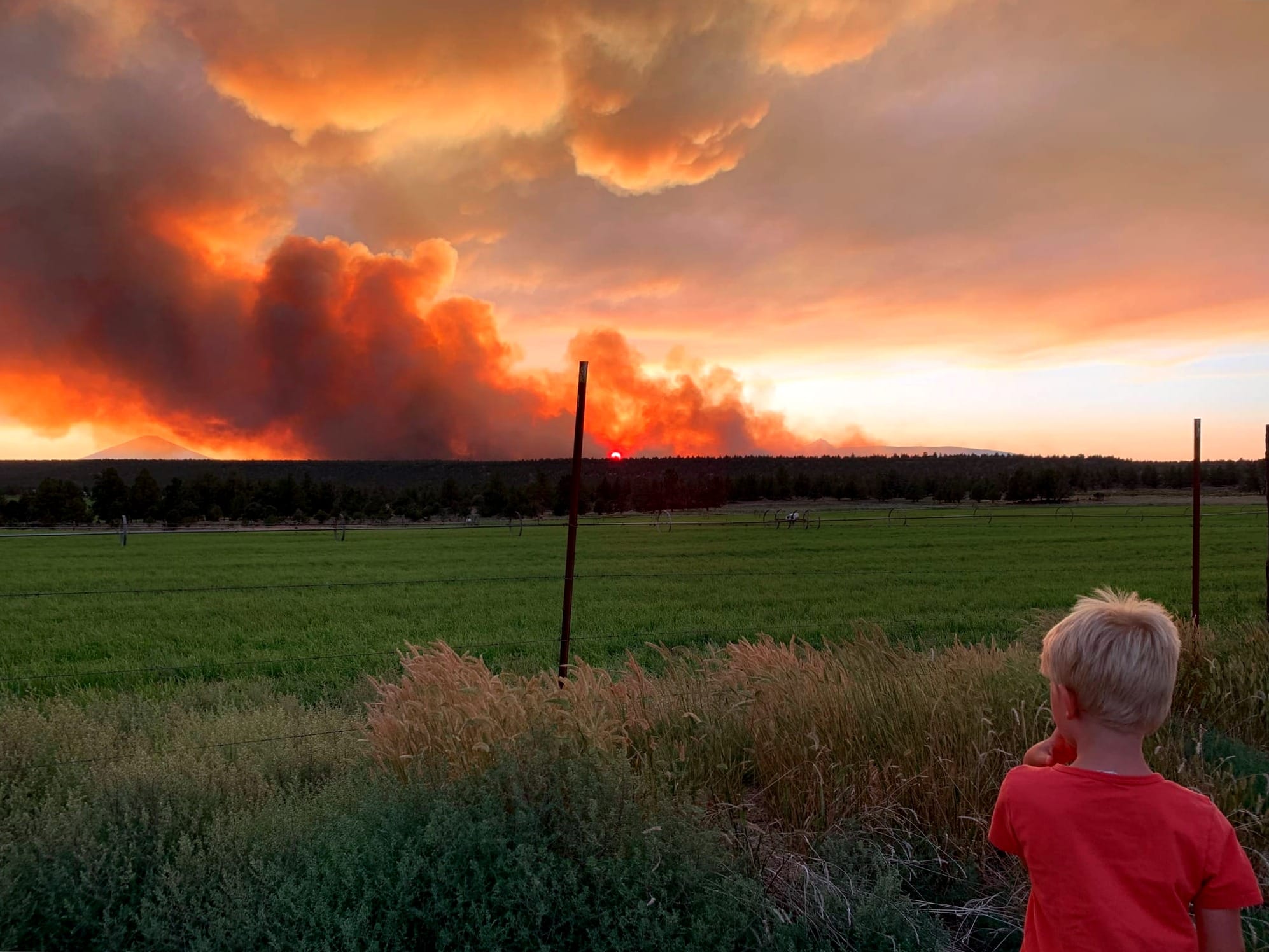
In the Mountain West, my interviewee emphasized that local flooding is driven by snowpack, not rainfall. He recalled two major Boise River floods in the early 2000s, when exceptional snowmelt filled the upstream reservoirs and forced dam releases that flooded houses in Eagle, Idaho. Winters were also much colder and snowier in his childhood; he and his brother used to jump off a 30-foot barn into deep snowdrifts when they were in elementary school, something impossible today. Snow arrives later and melts irregularly, shortening the river-floating season in the summertime. He sees forested areas as the most at-risk, since extreme heat and drought fuel severe wildfires. Summers have become so hot that people in rural Eastern Oregon, including members of his family, struggle to cope without air conditioning. He also raised broader vulnerabilities: small farmers depend on reliable water but compete with large agricultural corporations that benefit disproportionately from subsidies. At the same time, many low-income households rely on cheap, unhealthy food. He believes that as conditions worsen, food will become the defining pressure point for society. (Also noteworthy in this context is the absence of “third places” in many U.S. communities, where people can go to cool down, gather, or find support.)
My parents remembered snow “meters high” in the 1960s and into the early 1980s, while today snow is almost gone, replaced by prolonged heavy rain. They noted that the word “Starkregen” didn’t exist in their youth. They mentioned storm Kyrill (2007), the 2021 Ahr Valley floods, and local flooding in Wipperfürth. Vulnerable groups include low-income households, homeless people, and farmers facing alternating drought and excessive rainfall. Cities heat up due to what I call the Betonwelt, creating tension between needed green spaces and housing. Rising temperatures increase demand for ACs, which haven’t even been a thing in Germany for the longest time. They see community energy solutions and scientific guidance as key for preparedness.
A local 87-year-old added that decades ago people panicked when one of the biggest reservoirs around here was lowered to 50% for dam repairs — this summer it dropped to 30%.
Across all interviews, those most affected are people with fewer (financial) resources and those reliant on land and water, while the groups seen as essential for preparedness include local communities, small-scale producers, community energy networks, and scientists who can guide adaptation.
(Ultimately, exercises like this remind me that climate change becomes real in the exact places where people live: in childhood memories, changing winters, hotter summers, stressed rivers, and shifting safety nets. When we share these memories, we understand each other and our changing world a little better.)
weather 𖦹 becoming memory 𖦹 becoming story 𖦹 becoming climate literacy
🎬 Further Viewing/Reading
(for those interested)
🇺🇸 1. Mountain West / Pacific Northwest (USA)
Themes: Snowpack, Water Scarcity, Wildfires, Agriculture, Community Risk
The West Is Burning (Landmark Stories) — Feature Documentary
Explores how climate change is driving increasingly severe wildfires across Oregon, Idaho, Washington and California. Excellent for understanding risk to forested areas and rural communities.
The Pacific Northwest faces shrinking snowpack | The Story | Feb. 12, 2024 (KGW News)
A concise, science-based overview of declining snowpack and how it affects rivers, forests, recreation, and rural water supply.
Drying Up: The Western Water Crisis (News 3 Las Vegas)
Examines water scarcity in the western U.S., focusing on shrinking reservoirs, snowpack decline, agricultural pressure and rising conflict over water resources.
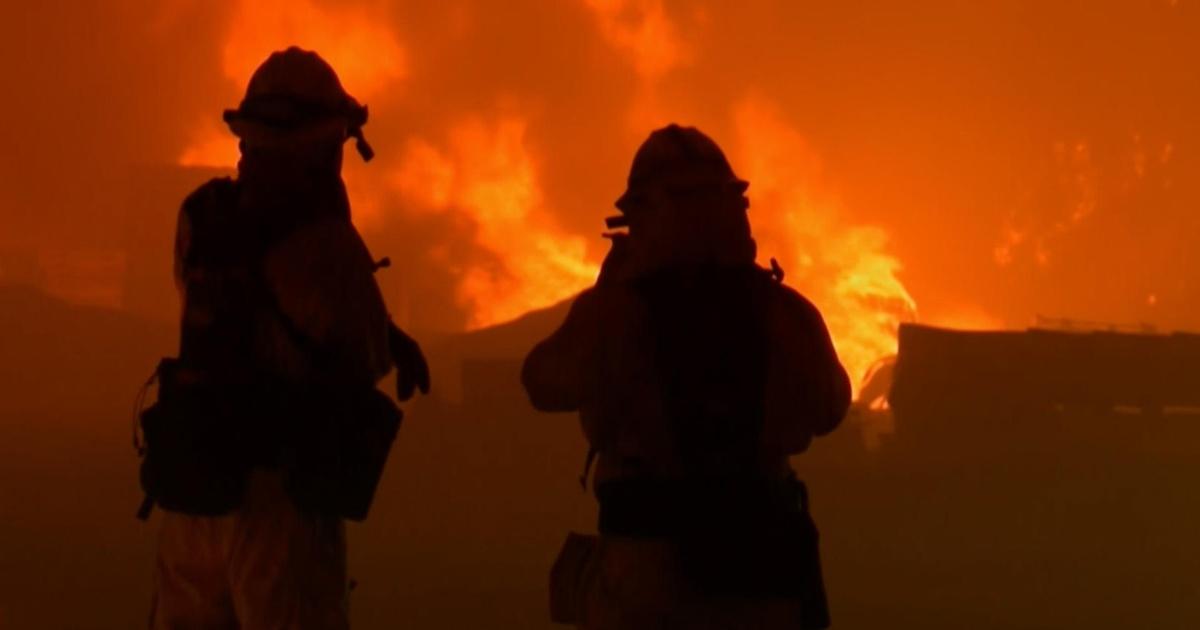
Living with Wildfire (Idaho Public Television)
A 27-minute documentary explaining why Idaho’s wildfire seasons are growing longer, hotter and more destructive. Features strong scientific commentary and visuals by wildfire photographer Kari Greer.

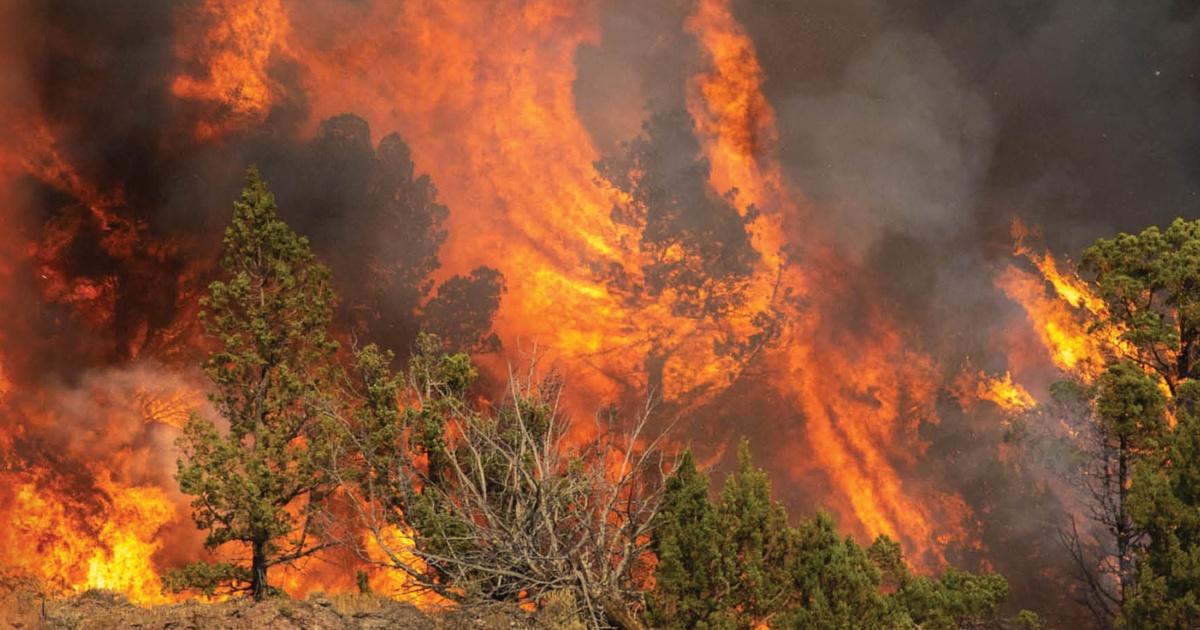
Fire in Paradise (Frontline | PBS)
Although centered on California’s 2018 Camp Fire, this film clearly explains wildfire dynamics also affecting Idaho and Oregon: extreme heat, drought, and the wildland-urban interface.

Snow Science: Correlation Between Water and Snowpack (University of Idaho)
Explains how mountain snowpack is measured and why it determines spring and summer water availability throughout the region.
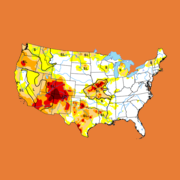
U.S. Drought Monitor
A continually updated map of American drought severity, useful for understanding real-time water stress in the Mountain West.

🇩🇪 2. Bergisches Land / NRW (Germany)
Themes: Heavy Rain, Flooding, Reservoirs, Climate Impacts
Trockenheit in der Region: Wassermangel TV Beitrag (WDR Lokalzeit Köln) — German
Short WDR report examining water shortages in parts of NRW, including reservoirs like the Wiehltalsperre and regional supply challenges.
Heftiges Unwetter setzt Teile von Wipperfürth unter Wasser (© 2021 WupperVideo) — German
Brief but striking local news coverage showing how intense rainstorms can quickly overwhelm drainage and flood parts of the Bergisches Land.
Germany After the Flooding (DW Documentary) — English
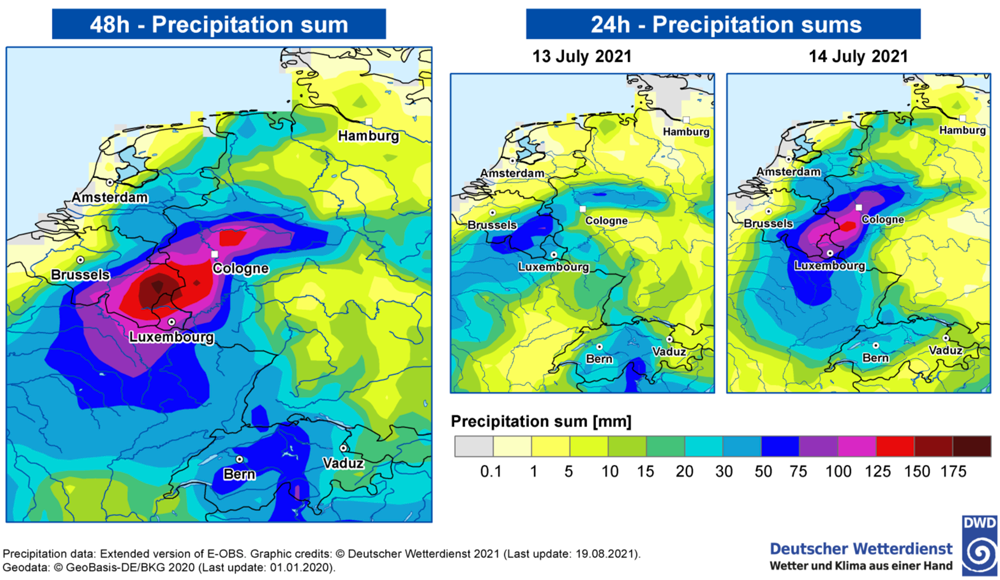
A high-quality documentary about the catastrophic July 2021 floods in Western Germany. Explores causes, meteorology, climate attribution, and community recovery.
Heavy Rainfall in Western Europe Made More Likely by Climate Change (World Weather Attribution) — English
A scientific but accessible analysis explaining why extreme rainfall events like the 2021 floods have become more frequent and intense across Western Germany and neighboring regions.

Kyrill – Ein Orkan fegt durchs Land (WDR Doku) — German
Detailed documentary about the 2007 windstorm “Kyrill,” which caused widespread forest damage and infrastructure disruptions across Germany.