Ocean and Cryosphere in a Changing Climate

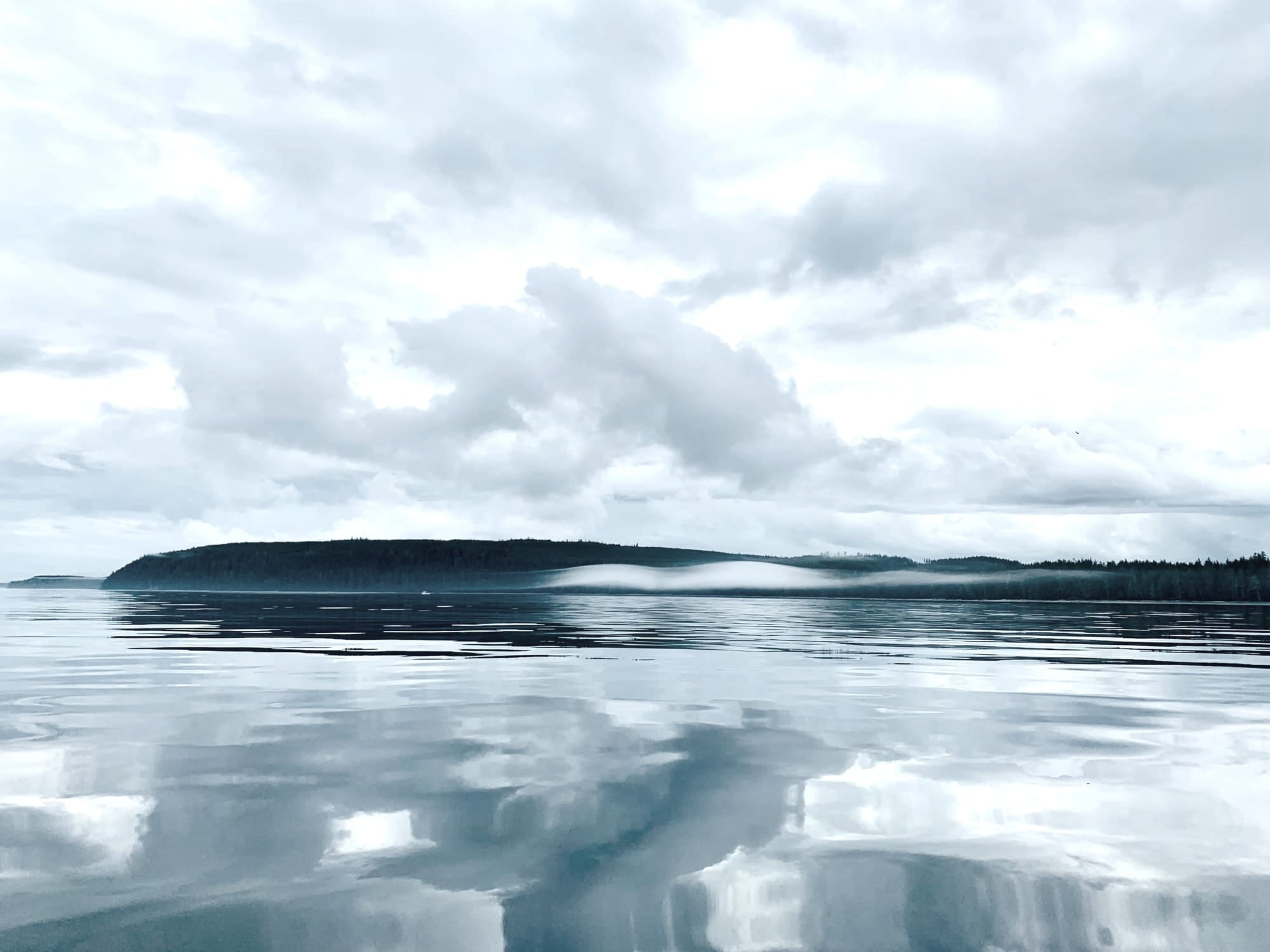
Summary of SPM.A, SPM.B, and SPM.C from the IPCC Special Report on the Ocean and Cryosphere in a Changing Climate as part of our Topic 3 module assignment
The Summary for Policymakers of the IPCC Special Report on the Ocean and Cryosphere in a Changing Climate presents clear evidence that the world’s ice and ocean systems are undergoing rapid and accelerating change. These shifts are driven primarily by human activity, and several processes are approaching thresholds that could be difficult or impossible to reverse.
SPM.A Observed Changes and Impacts
Glaciers, polar ice sheets, and Arctic sea ice are shrinking, thinning, and retreating across nearly all regions. Snow cover on land has declined by about 2.5 million square kilometers since 1967 as air temperatures have risen. Permafrost temperatures have reached record high levels, increasing the risk of carbon release and ground instability. Loss of snow and sea ice is also intensifying Arctic feedbacks that amplify warming, creating a self-reinforcing cycle of further loss.
These changes impact communities that rely directly on cryosphere stability. About 4 million Arctic residents, many of whom are Indigenous, depend on predictable ice for travel, hunting, and cultural continuity. 65 million people in Small Island Developing States and 10% of the global population in low lying coastal areas face increasing exposure to sea level rise and coastal hazards. High mountain regions, which support another 10% of the global population through freshwater supply, agriculture, and hydropower, are experiencing changing water availability and shifting risks.
The ocean has absorbed more than 90% of the excess heat in the climate system. This warming has intensified marine heatwaves, reduced oxygen in the upper ocean, and increased surface acidification. Stronger stratification has weakened vertical mixing between surface and deeper waters, which affects nutrient delivery, global circulation, and the resilience of upwelling systems. Sea level rise continues to accelerate due to glacier loss, ice sheet loss, and thermal expansion.
SPM.B Projected Changes and Risks
Cryosphere and ocean change will intensify throughout the 21st century. Glaciers, Arctic sea ice, snow cover, and permafrost are projected to continue declining under all emissions scenarios. High emission pathways increase the likelihood of crossing irreversible thresholds related to ice sheet instability. Ocean warming, acidification, and oxygen loss will increase further, and marine heatwaves will continue to intensify. Extreme sea level events that were once rare are projected to occur annually in many regions by 2050. These risks will disproportionately affect Indigenous communities, low income populations, coastal cities, and ecosystems that are already stressed.
SPM.C Implementing Responses
Reducing long term risks requires low greenhouse gas emissions, coordinated adaptation strategies, and long term planning. Ecosystem based approaches, including the protection and restoration of mangroves, salt marshes, and seagrass meadows, can enhance coastal resilience and expand blue carbon storage. Integrating Indigenous knowledge and local knowledge strengthens adaptation outcomes and supports cultural continuity. Effective responses depend on equity, monitoring, and collective action that reduces the likelihood of irreversible change and supports climate resilient development.
A short closing reflection
What struck me most while working through this material is how much of the planet’s stability we have already placed under strain. Loss, record warmth, reduced mixing in the ocean, shrinking ice, and processes that may not be reversible reveal how tightly connected our systems are. These findings are not only scientific assessments but reminders of responsibility. Human actions created these risks, and human choices will determine how far they progress. The possibility of irreversible change is not abstract. It affects people, ecosystems, and species that can never be replaced. Learning this clearly makes the need for informed, collective response feel not only urgent but deeply grounded in what is already unfolding.
“We live by the currents, plan by the tides, and follow the sun.” — Sandy Gingras
Reference
IPCC (2019) Summary for policymakers. In: Pörtner, H.O., D.C. Roberts, V. Masson-Delmotte, P. Zhai, M. Tignor, E. Poloczanska, K. Mintenbeck, A. Alegría, M. Nicolai, A. Okem, J. Petzold, B. Rama, N.M. Weyer (eds.) IPCC special report on the ocean and cryosphere in a changing climate.